

From payments to compliance, embed financial capabilities into your operations through flexible delivery models designed to fit your business.


Banking as a Service (BaaS) is a financial model that allows businesses to embed regulated financial or banking capabilities (such as payments, accounts, cards, and FX) directly into their own products and platforms via APIs or as fully branded complete solutions via white labelling.
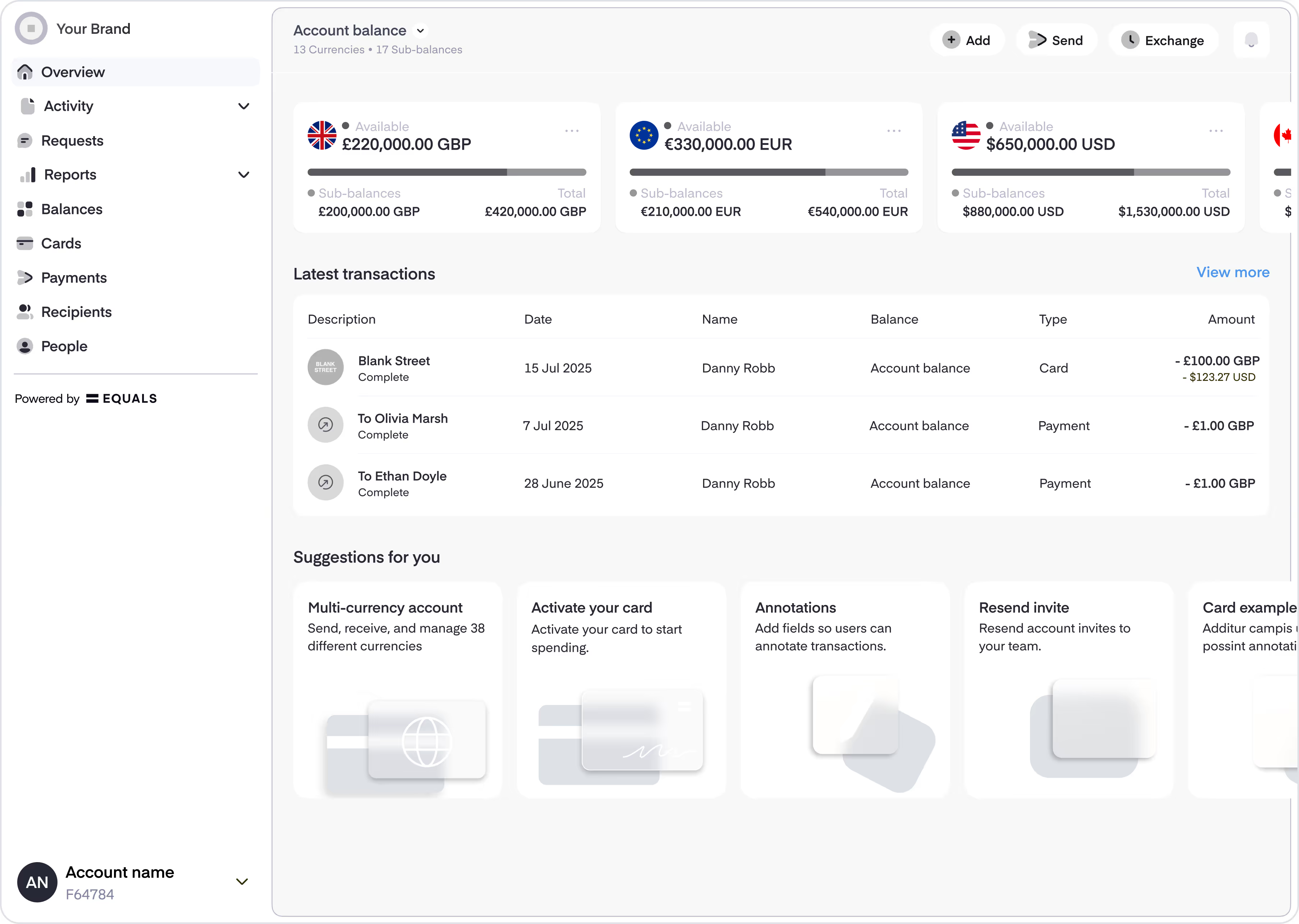
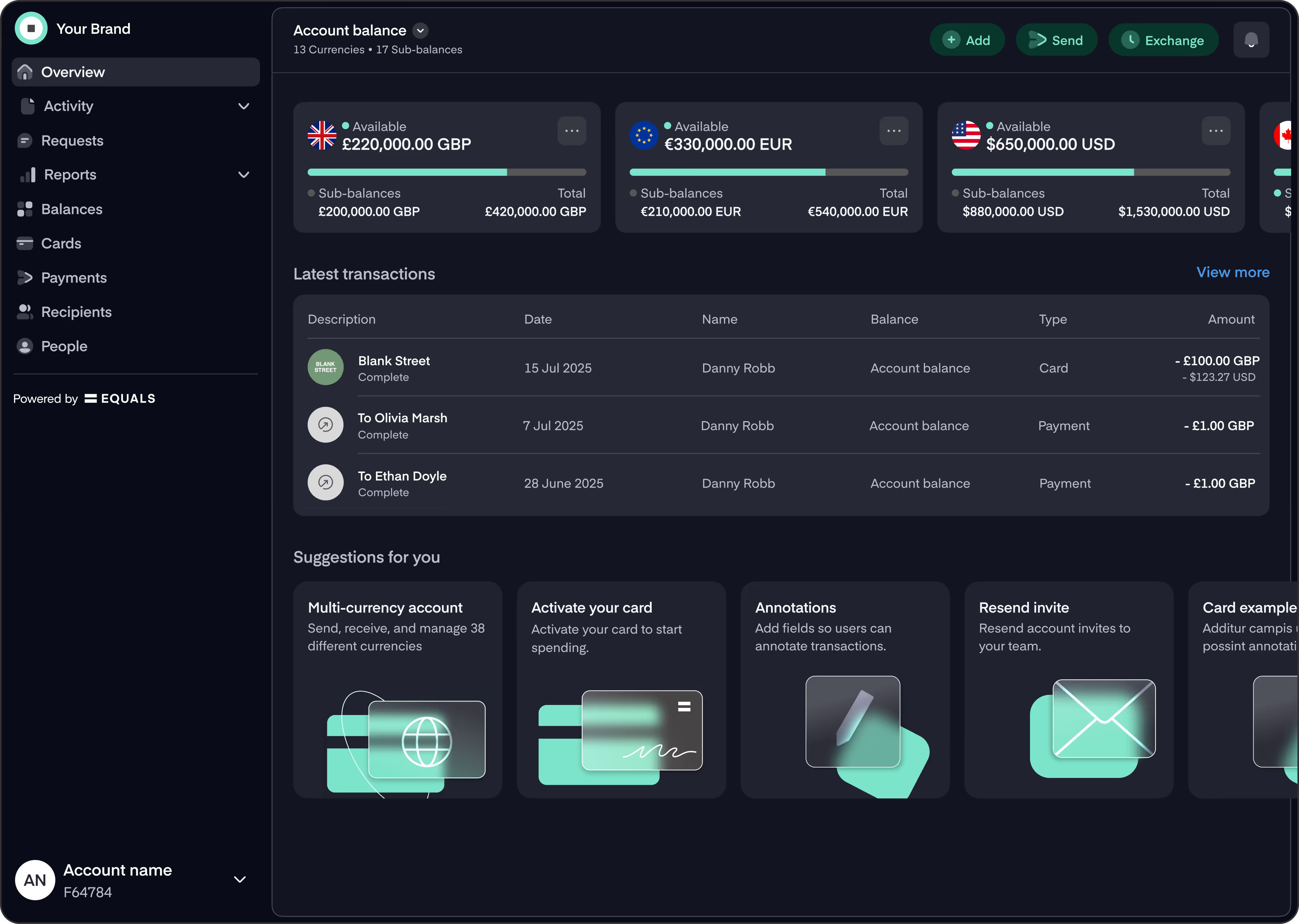
Instead of becoming a payment service provider themselves, companies can partner with a licensed provider (such as Equals Money) to offer financial services under their own brand or within their own platform/ product.
BaaS enables non-financial services businesses to deliver seamless, compliant financial experiences without the cost, complexity, or regulatory burden of building financial infrastructure from scratch. This allows businesses to focus more on their offering and the customer experience.
Please note, that while Equals Money is not a bank, it is an FCA-regulated EMI (Electronic Money Institution) with over 18 years of fintech expertise, offering a range of flexible payment and embedded finance solutions available via white labelling and API integration.
Common banking as a service examples include:
- Embedded business or consumer accounts
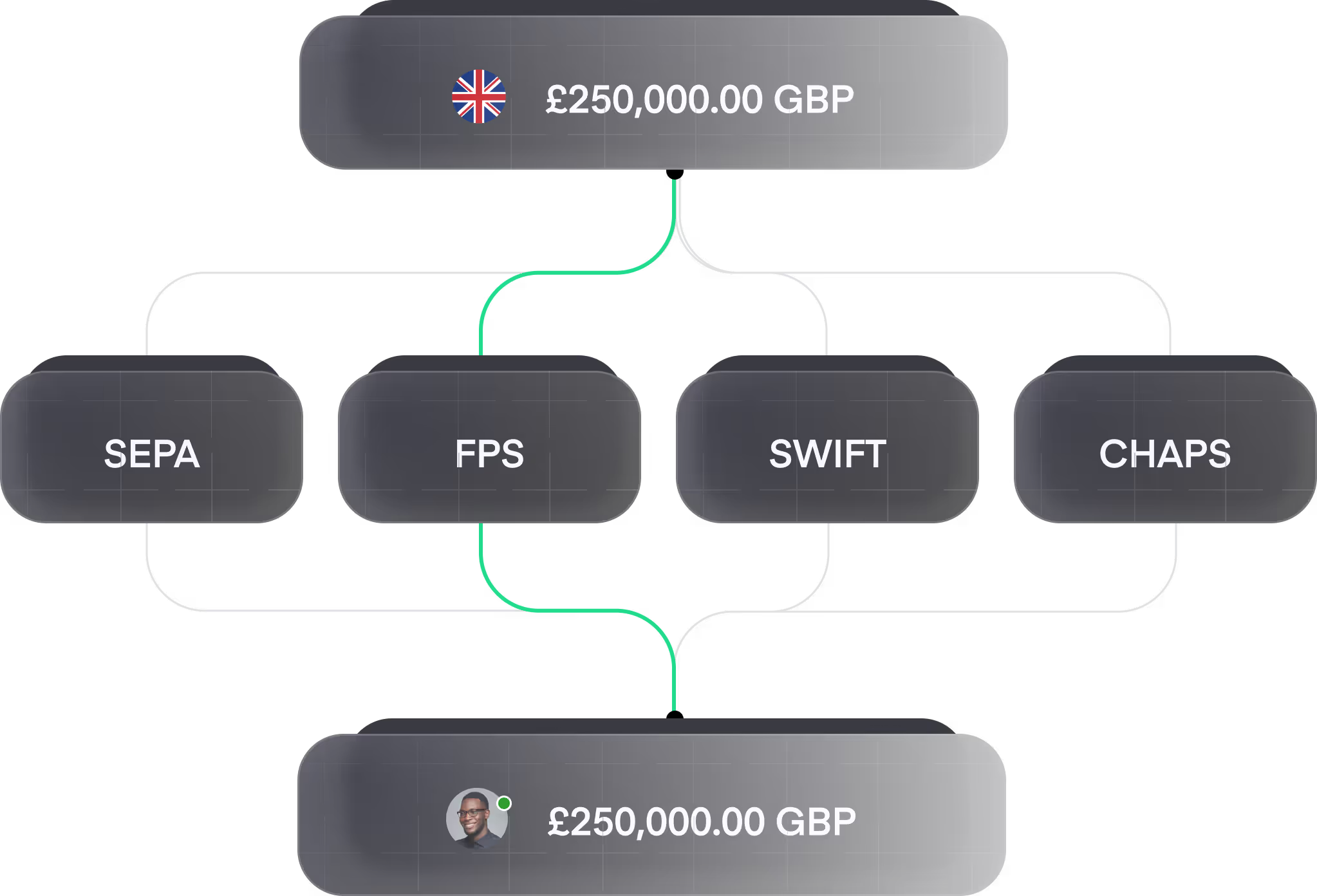
- Integrated domestic and international payments
- Virtual and physical card issuing
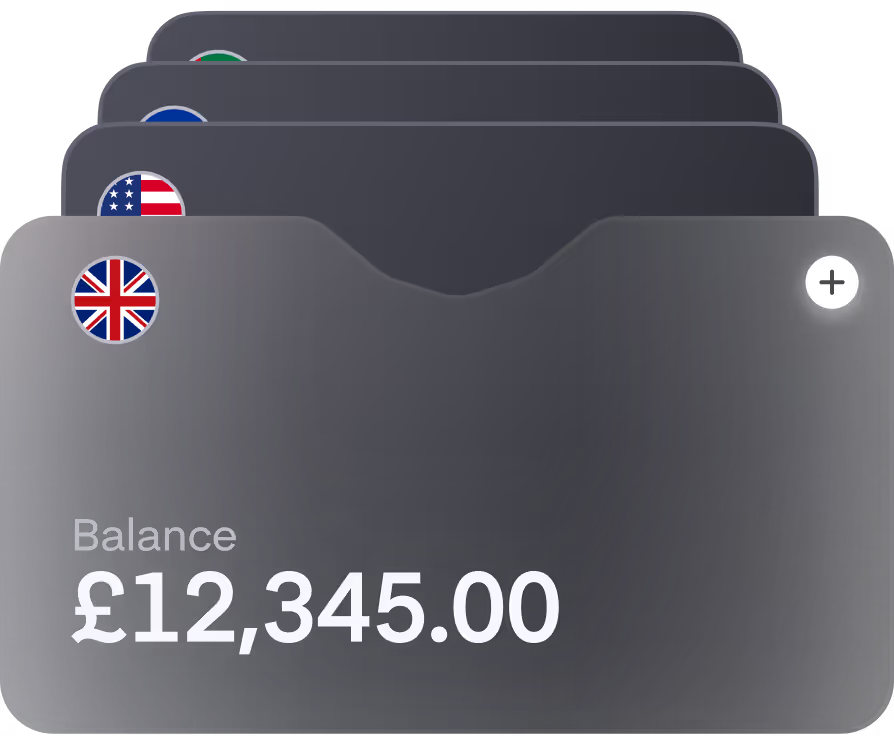
- Embedded FX and multi-currency wallets
- Treasury and cash management tools built into SaaS (software as a service) products
BaaS is widely used by fintechs, platforms, and enterprises that want to offer financial services as a core part of their value proposition (without operating as a licensed bank or payment service provider).
Banking as a service works by connecting three core components:
- A regulated banking or payments provider that holds the required licences and compliance responsibilities
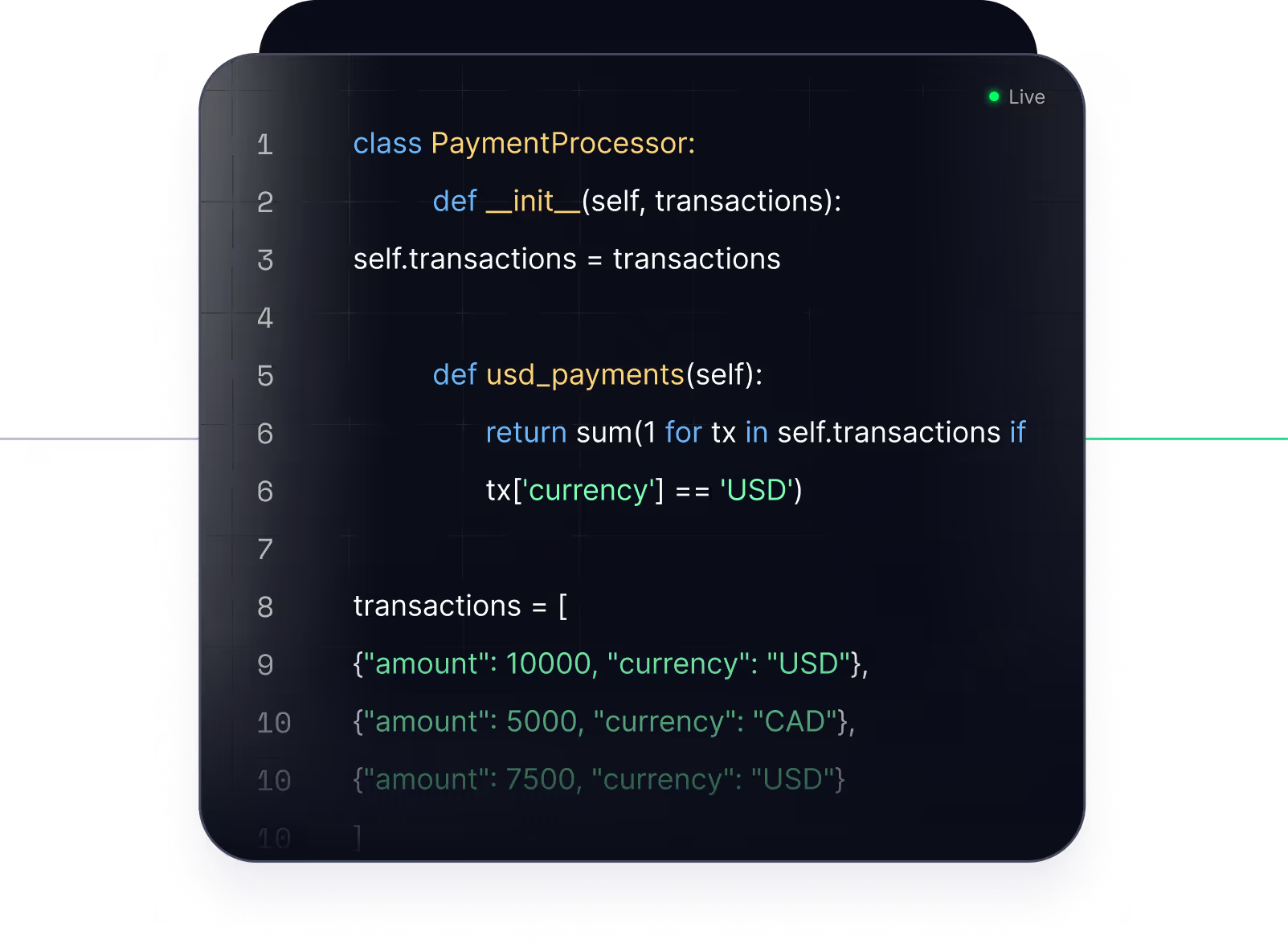
- A BaaS platform that exposes financial functionality through secure APIs
- The end business, which embeds those services into its customer journey
Through APIs, businesses can integrate payments, accounts, and other financial services into their applications, while the BaaS provider manages regulatory compliance, safeguarding, and settlement in the background.
Traditional banking requires businesses to work within the constraints of bank-owned products, rigid onboarding processes, and limited customisation. Banking as a service is fundamentally more flexible.
With BaaS, companies can:
- Control the end-to-end user experience
- Launch financial features faster
- Integrate finance directly into workflows
- Scale globally with modern infrastructure
BaaS allows fintech companies to innovate quickly while remaining compliant. Instead of investing heavily in licences, infrastructure, and regulatory teams, fintechs can focus on product development and customer experience.
BaaS also enables faster go-to-market, easier scalability, and greater product differentiation, making it a foundational building block for modern fintech products.
Banking as a service is particularly valuable for:
- Fintech and payments companies
- Marketplaces and platforms
- SaaS providers serving SMEs or enterprises
- Corporates embedding payments into supply chains
- Global businesses needing multi-currency and FX capabilities
Any business where payments, payouts, or financial flows are mission-critical can benefit from embedded financial products and capabilities.
BaaS providers must operate within strict regulatory frameworks, which typically include:
- Financial services licensing
- Anti-money laundering (AML) and know-your-customer (KYC) requirements
- Safeguarding of customer funds
- Data protection and security standards
A key advantage of BaaS is that the licensed provider assumes much of this regulatory responsibility, allowing businesses to offer financial services confidently while remaining compliant.