Making it. How I became CEO
Leading with purpose: Jason Stevens’ journey to CEO of Wayfairer Travel
In this episode of Making it. How I became CEO:
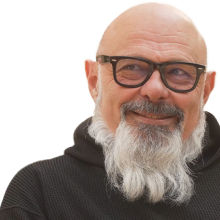
Louisa Murray, Chief Sales Officer at Equals | Railsr, is joined by Jason Stevens, CEO of Wayfairer Travel, to discuss how staying true to your values can drive sustainable success.
Jason shares his unconventional path that took him from aspiring pilot to global supply chain leader and, ultimately, purpose-driven CEO. From embedding AI and automation to empower his team, to defining success by client satisfaction rather than profit, Jason reveals what it really means to grow a business without compromising on values.
For anyone navigating business growth, leading teams, or shaping their leadership style, this conversation offers valuable takeaways on resilience, innovation, and purpose-driven leadership.
Opening & introduction
Jason: I don't think you do have to compromise your values. You might have to grow slower; you might have to concede in other things. If you compromise your values, you've got to ask the question why you're doing it.
Early ambitions: from pilot dreams to CEO
Louisa Murray: Hi, Jay. Great to be here to talk about your journey to becoming CEO of Wayfairer Travel. Before we get into it, your website says "Dream big." As a child, did you dream of being a CEO, or something else?
Jason: There was a dream to be something very different — a pilot. I even got through the airport selection process in a year the government cut funding for the intake. So I went through the whole process to find there was no funding for pilots for the next two years. I ended up tripping into corporate — not intending to become a CEO. It was a good lifestyle, with overseas postings. Being a board member was more the aspiration; I never really saw myself as a CEO, to be honest.
Louisa Murray: When things didn’t go to plan — like the funding — how did you deal with that?
Jason: It was just onto the next thing. I found a job — in banking — and very quickly worked out it wasn’t for me.
Early career lessons
Jason: I tripped my way into the supply chain industry for a smallish company, an agency for a bigger company, so I got to touch many aspects of the business. I learned I was curious — I like to understand how things work and whether they can work better. I started in a UAE role that expanded regionally across the Middle East, then a promotion into Asia Pacific — it kept going, mostly with DHL.
The DHL years
Jason: DHL took me offshore. I left, worked with various companies, and ended up back at DHL. If any company has a global footprint, it's DHL. It was a big part of my early shaping — huge exposure and opportunity. A great training ground; I can’t thank them enough.
From corporate fixer to entrepreneur
Jason: I was never really a fit in corporate. I was the guy they sent to fix places that were broken — relatively good at it — but it came with a stigma: outspoken, fixes stuff, but do we want him at the table? I wanted to be at the table, so I left DHL and ended up working for the Minister of Oil and Gas in Oman — a massive change. Beautiful country, amazing people, an Arab trading house with huge diversity. The owner empowered me to do good work. That’s where I learned most about cultures, tough environments, and dealing with things when they go wrong — making big mistakes, owning them, and figuring out how to fix them, even when you don’t have the answers.
Louisa Murray: Growth can tempt compromise. Did you have to compromise values?
Jason: No. You can grow without compromising values. You might grow slower or concede on other things, but if you compromise values you must ask: why, and is it worth it?
Entering Wayfairer Travel
Jason: I joined as an early investor and advisor. The company was about £400,000 per annum revenue — recently founded by two young guys, the only two members. I became employee number three as an advisor (not fully employed). I did a couple of things that were natural to me and we accelerated growth faster than expected. I doubled down and the founders asked me to step up as CEO. I was reluctant at first — founder vs. investor dynamics — but I took the leap. The founders have since moved on; now it’s me — with a leadership team, so ownership stays in the background and doesn’t drive day‑to‑day decisions.
The reality of being a CEO
Jason: I’d been a group general manager and a COO of bigger companies, so in some ways it was a natural progression. The shock in a smaller company with potential was balancing founder aspirations and different goals. Founders are an interesting breed!
Innovating travel through tech
Louisa Murray: Travel has been disrupted by tech, AI, personalisation and automation. How did you embed that at Wayfairer?
Jason: When I invested, there were no systems — just spreadsheets, names, a shared drive, and proposals done in WordPress taking a week. I immediately implemented an accounting package, then a CRM. At WTM (World Travel Market) I was shocked at how unsophisticated travel tech was — I thought supply chain was rough and ready! I also saw opportunity. We built an in‑house proprietary itinerary tool — proposals that took seven days became same‑day. We integrated systems and introduced workflows, asking: from the first inquiry, how do we take data and never re‑enter it? By default we became a company very focused on tech that sells travel. It’s served us really well and future‑proofed us in a big way, giving us an edge in luxury travel. We’ve strong tech across verticals and the horizontal integration many lack.
Louisa Murray: How do you keep pace with innovation?
Jason: Sleepless nights, energy, and dogged commitment — it’s hard.
Redefining success
Louisa Murray: How do you define success — is it profit?
Jason: Profit isn’t the primary measure. The interest in profit is its ability to be reinvested to do better for clients. My passion is the business — driven by what we do for clients. Every morning I check our reviews; they show if we’re getting it right and where to improve. My biggest passion is the client; second is product quality — and within that, my team and people. The team delivers the quality that delivers for clients — a virtuous cycle.
Scaling sustainably
Jason: We’ve bootstrapped to decent revenue — moving from small to medium and accelerating beyond. We’re going to double in the next eight months. For seven years, two major components were Achilles heels — I thrashed every option: outsource, agencies, experts, fractional leadership. Eventually, the answer was to look inside, work with the team, and accept it’s a whole lot of hard work.
Building global partnerships
Louisa Murray: How do you nurture global partnerships you don’t always see in person?
Jason: Structure the business with the right support, connections and timing. Ensure enough people and a strong operations side. Lead with integrity — don’t hammer suppliers for rates in our space. Pick partners via the right vetting process. Meet in person where possible — early on it’s harder financially, but now we can do regular supplier reviews. Those are about collaboration: how do we work better together? We’re not doing everything right, and there are things suppliers can do better. That depth enables the next growth phase.
The future of work and culture
Jason: We use technology to support our culture and brand — giving people more time for the good stuff clients value. I ask the team: what don’t you like, what takes you away from the job? Automate that. With everyone accessing similar technologies, things can get vanilla fast. The pace of change means we’ll run into vanilla quicker than expected — so we double down on the uniquely human.
Advice for the next generation
Louisa Murray: Recommendations for graduates — in or beyond travel?
Jason: Avoid roles that can be automated quickly. I think there’ll be a renaissance of the arts and human‑behaviour fields. Focus on careers with high human touch — people buy from people.
Three principles for success
Louisa Murray: Three pieces of advice for aspiring leaders?
Jason: (1) Believe in yourself — self‑belief is vital when tough times hit. (2) Make mistakes and be in an environment that values learning from them. (3) Don’t start too big — start small, because while you’re making mistakes, small is recoverable. Small is a superpower. Bolt those together and you’ve got every opportunity to succeed.
Inspiration at home
Louisa Murray: Who’s inspiring you right now?
Jason: Recently, my daughter had a setback at school. She did the self‑analysis, owned the problem, and reminded me you can pick yourself up and dust yourself off. I took real inspiration from that.
Closing thoughts & reflections
Louisa Murray: Jay came across as a strong, people‑first leader — not besotted by profit at all costs, but by customer centricity and the product he delivers to travellers. He seems ahead of his time in travel: by using AI and automation well, his team spends more time on the interesting, human parts of their roles. A great conversation — and I might even book a holiday with him! Looking forward to the next one.